Transforming how technical teams deliver value — combining agile excellence with leadership maturity to build organizations that scale without breaking.
Book Session With Catherine
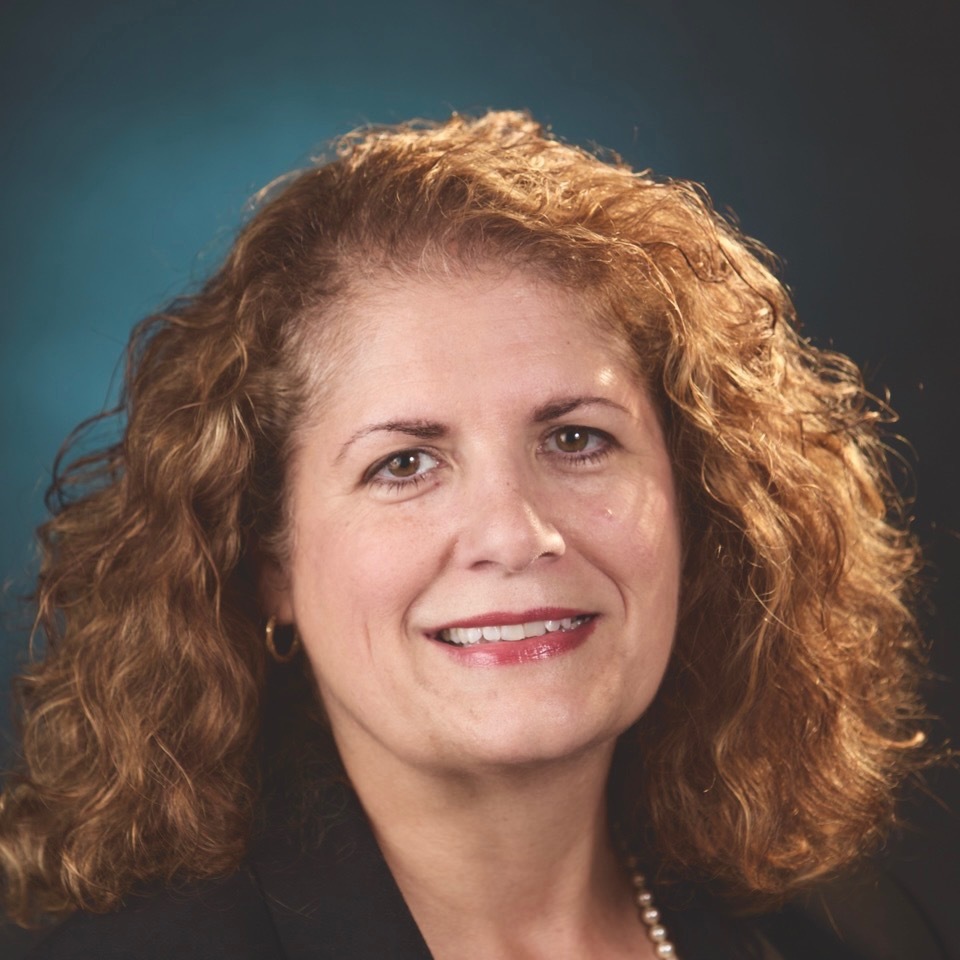
Catherine Nkomba (PMP, SPC6, ICP-AC, PSPO II) is an agile coach and partner at Maturity Coach, where she helps technical leaders and engineering teams transition from rigid process compliance to fluid, value-driven delivery. Her work spans from individual team coaching to enterprise-wide transformation across federal agencies and commercial technology organizations.
With over two decades of experience in project management, agile coaching, and technical leadership, Catherine brings a rare combination: she understands both the mechanics of agile frameworks and the human dynamics required to make them stick. She has guided dozens of organizations through Scrum@Scale, SAFe, and custom hybrid approaches — always with an emphasis on sustainability over speed.
What distinguishes Catherine's approach is her insistence that agile transformation fails when it ignores the maturity of the people involved. Teams can master ceremonies and artifacts, but without the self-awareness, psychological safety, and adaptive mindset that mature leadership cultivates, those practices become hollow routines. That's why her coaching always integrates the Ubuntu Roots Framework alongside whatever agile methodology your organization has adopted.
Catherine has served as a SAFe Program Consultant Trainer (SPCT), coached hundreds of practitioners through ICAgile-certified agile coaching programs, and delivered keynote presentations on governed agility at federal technology conferences nationwide. She is a former PMI chapter president and continues to contribute to the Project Management Institute's research on agile best practices in regulated environments.
At the heart of her practice is a simple belief: The best agile teams are not the ones that move fastest — they're the ones that learn fastest, trust most deeply, and deliver value that lasts.
I've seen too many organizations chase agile as if it were a silver bullet. They implement sprints, standups, and retrospectives — but the culture remains unchanged. People still fear speaking up. Decisions still bottleneck at the top. Learning still happens too late.
My work as an agile coach is not to teach you ceremonies. It's to help you build the inner conditions where agile practices actually flourish: trust, clarity, accountability, and a shared commitment to learning over blaming. When you get that right, the rest follows naturally.
From team-level agile adoption to enterprise transformation — every engagement tailored to your maturity level and strategic objectives.
Working directly with Scrum teams to improve velocity predictability, reduce cycle time, and build sustainable practices that don't burn out your people.
End-to-end SAFe rollout from ART launch to PI Planning facilitation, always with a focus on minimizing ceremony overhead and maximizing flow efficiency.
Scaling agile without enterprise bloat — helping organizations coordinate multiple teams while preserving autonomy and speed of decision-making.
Elevating product owners from backlog administrators to strategic decision-makers who can balance customer needs, technical debt, and business outcomes.
Making agile work in regulated environments — federal, healthcare, finance — where compliance is non-negotiable but you still need to move fast.
Addressing the human dynamics that derail agile: conflict avoidance, psychological safety gaps, power imbalances, and misaligned incentives.
Frameworks serve people, not the other way around. Any process that makes your team feel less autonomous or less human is a process worth questioning.
Velocity metrics can lie. Flow metrics tell the truth. We optimize for predictable delivery of value, not for gaming the numbers.
Every missed deadline, every failed release, every blown estimate is data — not a verdict. The question is: what does this teach us?
Burnout is not a badge of honor. If your agile transformation requires overtime to sustain, you're not transforming — you're exhausting.
Every transformation is different — but the progression is always the same: from chaos to clarity, from compliance to commitment.
Understanding where your organization truly is — not where your roadmap says you should be. We surface bottlenecks, cultural blockers, and maturity gaps before prescribing solutions.
Installing core agile practices at the team level: Scrum ceremonies, sprint planning, retrospectives, story mapping. But always paired with mindset work and psychological safety development.
Connecting teams through SAFe, Scrum@Scale, or custom coordination mechanisms. Ensuring dependencies are managed, decisions are pushed down, and flow is optimized across the organization.
Training internal coaches, certifying Scrum Masters, embedding agile practices into HR and performance systems. Your organization graduates from dependency to independence.
Whether you're considering SAFe, Scrum@Scale, or a custom agile approach — start with an honest conversation about where your organization stands today.